I had a long conversation with my friend Mariam the other night. She's a fellow AMFPA artist and quadriplegic (I hate that description), like me. This month marked fifteen years, since her accident. She lives on her own, in Chicago. She's an amazing artist, and has a wonderfully positive attitude about life, and dealing with living with paralysis. Although she's admitted to me that she's had her fair share of dark days, and moments of feeling like she wanted to give up on life, she lived through that rough period of her life to tell the tale, and has been trying to help me see the possibility of finding happiness, despite our injuries. We share a lot in common, and I really appreciate her insight, and her taking time to try and cheer me up.
Just like I feel it's impossible for most of my friends to see the world through the lens, and perspective on life, that paralysis has given me, it's near impossible for me to see (or imagine) my life through Mariam's eyes. I have a couple friends (including Mariam) that have been injured over a decade, and it's hard for me to wrap my head around that amount of time, living this way. When I think about the Hell these last six (almost) years have been, and my deteriorating health, my mind begins to short circuit, at the thought of having to go through this for another six, or ten years. I get chocked up, just at the thought. It's a very scary, hopeless filled future, through my eyes, at this point in my journey, right now.
Mariam said she went through a similar extremely dark period in her life, where she gave up caring. She said her poor health was a big contributing factor to her mood, and both fed off of one another, in a viscous downward spiral. I feel caught in the current of a similar cycle. It's very hard to envision any brightness in a future, that is certain to include more of the same stuff that I've been going through, and will continue to go through, unless miraculously cured. No matter how you slice it, bowel programs, catheters, lack of privacy and being dependent on others, is part of my future. Those are all inevitables, I can't escape.
Mariam agrees with me, that bowel program is a horrendous aspect of living with paralysis, that we need. However, she said that there might be ways of "streamlining" my program, so that it's not SUCH a burden. She and I discussed our routines, and I was kind of shocked by the comparisons. I have my BP every other day (in the morning). It usually lasts two hours, or more, and entails me sitting strapped to a commode, over the toilet. I have a nurse present, the entire time, who uses a suppository and manual stimulation, every ten to twenty minutes, until I'm "empty" (disgusting, gross & disturbing, I know). On top of that, I take five Senekot and two Colace pills each day. Not to mention, trying watch my diet and eat plenty of veggies and fiber. Despite all that, I still have occasional "accidents", which are terribly traumatic, and usually unexplained. I have at least one a month. Occasionally (like last week) I'll have a BP day with near to no "results" and end up then having to have BP for three days, back to back, as to not mess up my nursing schedule. In contrast, Mariam was telling me, her BP only takes 45 minutes, every THREE days.
I've gotten quite a lot of feedback from other people that have BP, and routines seem to vary widely, from individual, to individual. I've had more than one person respond to my posts (in Care Cure forums), with their own horror stories of three hour BPs, hemorrhoids and the alternative of trading it all in for a colostomy. As I've said a million times, I'm not willing to entertain the colostomy bag option. Knowing the Hell I currently go through, and how my body reacts, I also can't envision being able to get away with only having BP every three days, like Mariam. Although it sounds like a WONDERFUL alternative, to my current routine (the best idea I've heard), I honestly don't think my body could tolerate waiting that long to "go." As it is, I experience a lot of extra AD like symptoms the night before BP. I attribute the discomfort (chills, fevers, chest pressure and sweating) with gas, and with needing to go to the bathroom. I've tried taking Beano & Gas-X, on hopes of alleviating some of the discomfort, but it never does. Not to mention, the days my BP doesn't produce the "typical" amount of stool (OMG! I want to vomit, just typing this), I almost always end up having an accident, which to me, is further proof that's there's just no way my body would let me get away putting BP off, an extra day. In fact, it's been suggested to me by several people, that I ought to go back to having BP every day (like when I was living in the nursing home). I definitely had less instances of incontinence, when I was having BP daily. However, I'm at a point where I literally rather die, than go back to having BP daily.
Mariam said that she thought it's a possibility that the nurses working with me, aren't being aggressive enough, in their techniques. She and I talked at length about this, and she explained to me about having two sphincters, and the importance of the nurses putting the suppositories "up," high enough and how crucial the stimulation process is. To be honest, it was a bit too detailed of an anatomy lesson for me, and I admitted that I try to be the least involved in the whole BP process, as I can, given the fact it's my own body. Normally during BP, I try to pay attention to the news, and distract myself from the ugly realities of my life. I love it when I know I'll have a nurse with me that knows me well, because it means I can be relaxed enough, to NOT have to discuss anything about the actual BP, or give instructions. When I'm with a nurse that I'm familiar with, I basically just let them "do what they need to do" and I zone out, and try and remove my thoughts from my surroundings.
Taking Mariam's advice (knowing deep down that I need to be control and directing my care), I decided to bring up some of our discussion with my nurse, to make sure she is in fact doing everything correctly (which I was pretty sure she was). She acknowledged all of the important points, and said she'd be more than happy to try her best to speed things along. The thing is, there's often times when my nurses (including the nurse I spoke with) have told me that they've been "up there," and couldn't feel a thing. Then later that same day, I'll end up going more. So basically what MY nurses have to do, is determine when I'm "done" based on quantity, and not only just by what they feel. Sometimes they'll even have to use a second suppository to "get things moving." When it's all said and done, I never feel comfortable (meaning, not being paranoid about having an accident) unless I've gone a certain amount. It ends up being a waiting game. The nurses keep checking, and stimulating, until I "go" that certain amount. It's awful. Regardless, I'm usually always paranoid of accidents. Partly because they have happened randomly, even after a "good" BP, and secondly, because the threat is always there, and the trauma of it happening once, has been enough to keep me forever worried. It's pretty much become my worst fear, that I fear on an almost constant basis.
Before my accident, when I was around twenty, or twenty one, my mother had a scare, thinking she might have Chrone's disease. She ended up having a colonoscopy done, and was diagnosed with IBS (irritable bowel syndrome- aka spastic colon). I had always had bathroom issues myself, often suffering from diarrhea and almost always getting sick, if I was anxious, or upset about something. I decided to get myself checked out, around the same time, and was also diagnosed with IBS. I was given pills, that didn't help, and I stopped taking them. I never found any direct relation to food, or drink, but definitely believe there were psychological triggers. I can remember being sick to my stomach (with the runs) for every major event in my life. Not being unable to use public restrooms, and being highly sensitive about the matter, complicated having spastic colon, and I remember many days that I was doubled over in pain, because I HAD to "go," but couldn't bring myself to use the bathroom, wherever, or around whoever I was with, at the time.
Between my conversation with Mariam, and with my nurse, I got to thinking if maybe it's not so much my hemorrhoids that cause me so much discomfort, and make my bowel program seemingly so hard to manage and control, but perhaps it's the fact that I still have IBS. It's not that I've never had this thought before, but I always ruled it out, given the fact that I know my biggest trigger of my IBS, was always my emotions. I've always assumed, since there is no longer a conscious connection between my brain, and my ability to control my bowels, that IBS too, would no longer be an issue. I figured, if my emotions still ruled my IBS, then theoretically, I'd be able to use anxiety to my advantage, and will myself into needing to go. That most certainly isn't the case. I'm anxious/paranoid about BP specifically, 99% of the time, so based on that alone, I'd be "going" all the time. On the other hand, I wonder if my anxiety and IBS create more gas, and sensations of needing to go, that my body is interpreting as pain, and thus creating all the AD symptoms. It would explain a lot. I'm curious to know if anyone else with a SCI has had experience of being previously diagnosed with IBS, and if he/she has had any similar issues of AD and unexplained problems with BP and/or episodes of incontinence. I'm also curious to ask my doctor what he thinks. Unfortunately, there's no way to know for sure. One frustrating aspect of IBS, is that it's difficult to treat. It's even harder to try and treat something you can't directly feel. I'm grasping at straws, but it's an idea I'm curious I'd like to throw out there, and get some feedback on.
- Posted using BlogPress from my iPad
Showing posts with label accident. Show all posts
Showing posts with label accident. Show all posts
Thursday, March 31, 2011

Thursday, December 2, 2010
Far From Awesome
My best friend sent me a link to a story about a bride to be, named Rachelle, who was recently paralyzed in a freak accident. She suffered a C6 spinal cord injury, after her best friend pushed her into a pool, at her own bachelorette party. Rachelle was recently interviewed by Meridith Vieira on the Today show, where she talked about her injury, and recovery. They don't mention in the interview, or accompanying article if Rachelle's injury, is complete or not, but given the level of her injury and the amount of recovery she's gained, I'm guessing it is a complete injury. They show her clearly able to push herself in a manual wheelchair, playing wheelchair rugby, and using a universal handcuff to feed herself, which all indicate at least some function in her biceps, triceps and wrists. She mentions having a supportive family, friends & fiance (whom she still intends to marry) and even discusses the fact that neither she or her family blame her best friend. She even goes so far as to calling her current life "awesome" and cites her positive attitude as they key to her recovery, and rosy outlook on life. I commend her for her positive attitude, and will even go as far as saying, she is certainly an inspiration, to anyone, newly injured with a spinal cord injury. However, after living with paralysis for five years now, I'm forced to wonder how long she'll be able to maintain that same zest for life. Her accident, injury, and point in life, at which she was injured, are all very similar to my own experiences, so I can't help but want to compare our situations, and our very different perspectives.
Whenever I come across stories similar to my own, I filled with mixed emotions. On one hand, it's comforting to know that I'm not unique; that there are other people out there, that might truly understand what I'm going through. It's also comforting in the sense that it dulls the overwhelming sense of guilt, regret and astonishment over my own poor judgment. I'm constantly beating myself up over the stupidity of my accident, and forever searching for a motive, or reason behind why I did what I did, and why I'm having to pay such a high price, for one, foolish split section decision. It does help, in a weird way, knowing that I'm not an anomoly, and other people have made the same mistake. On the other hand, it saddens me and disturbs me, to know that there are people out there living with a similar situation, because I know how horrible it can be. There are few people I'd ever wish to be paralyzed, or to live in my shoes, and even then, I'd only ever wish it as a temporary learning experience (politicians and lawmakers come to mind). It breaks my heart, and frustrates me, to know that millions of people have to live with paralysis, because there is no cure. When I think of my own experiences, living with paralysis, my sympathies, outweigh any comfort I gain, from knowing there are people out there just like me.
It's shocking to me, and hard to understand, when I come across people (or read, or hear stories about people) that are living with paralysis, like Rachelle, Joni Eareckson Tada, (the late, Christopher Reeve) or Dr. Dan Gottlieb, that claim to be happy, and living fulfilling lives. Granted, all of the people I listed have mentioned some of the hardships they've faced due to paralysis, but if you read their writing, or articles about them, the majority of what they say is very positive and inspiring. Obviously, I don't know much about Rachelle, except the little I've read online and what she said in her interview. However, I own books written by the other three authors I mentioned, and have followed their stories through videos and writing on the web. Rachelle's case, is especially mind boggling to me, because she is so newly injured. She hasn't even been injured a year, and yet she has seemingly not only has come to grips with an unfathomable amount of change and loss, but appears to be happy and thriving. In comparison, I've been injured for five and half years, and still find day to day obstacles traumatizing. Thinking back to my first year post accident, I can only recall memories of trauma, disappointment, pain, shock and fear. The first year for me, was hell on Earth. Many people that I've read about, or spoken to, admit that it has taken years for them to learn to cope, and/or be able find joy in life with paralysis. I can't even begin to imagine how people like Dr. Gottlieb, or Joni have managed to stay sane, and inspiring, after decades of living with paralysis.
I've come to the conclusion that people like Rachelle, are rare people, who despite insurmountable odds, can somehow find peace, and joy, no matter what life throws at them. I try not to beat myself up for not being able to live up to that standard of inspiration, because I feel it is completely unrealistic, for the average person (myself included). I have to force myself to take a mental step back, and examine the facts. If I were to compare my situation to Rachelle's, for instance, the first major difference I'd have to consider, is the fact that she has functional movement. That is huge! The fact that she has some triceps and wrist control (from what I saw, and her level of injury) means that she can do a lot more for herself. For example, I can't use a manual wheelchair, pick anything up, or really feed myself. Although, those might seem like small victories to the average AB (able bodied) person, each level of function down the spine translates into more freedom and independence, for those of us living with paralysis.
Another huge difference in my situation, versus Rachelle's situation, is the fact that her fiancé is still at her side. The support, or lack there of, of loved ones is critical to anyone's overall mental strength, and stability. The sad truth is, that most relationships don't outlast a devastating, life changing event, like a spinal cord injury (especially, a high level, cervical injury). Most romantic relationships fall apart, friendships fade away, and even family can let you down. There's no telling how people will react to scale of change, and loss that paralysis brings with it, until they are actually faced with it. It takes a massive amount of patience, compromise, and work to live with paralysis. Unfortunately, for those of us who are paralyzed, we have no choice, but to face the situation, for what it is, and try our best to move forward. Family, friends, and significant others, all have the luxury to run away, as heart wrenching as that might be. Many people choose the easy rode, and opt out of the situation, either all together, or at the very least, enough to give themselves a break (a much deserved break- in the case of the people that do choose to continue to be in the person's life, who's suffered the injury). While I have an extraordinary group of friends, and supportive family, my romantic relationship ended up, as most do, and I've had my share of surprising disappointments, with some of the people I least suspected.
I'm not speaking from bitter resentment, or cynicism, I'm just being realistic. I witnessed dozens of people, left behind, during my stay in the nursing home, and rehab, and have read about, or met, countless other people, such as myself, with similar stories. It is the nature of the beast. Paralysis isn't pretty. It is not easy to live with constant compromise. I can't say with certainty, what I'd do if my situation was reversed, but if I had an escape, right now, I'd surely be running. So I don't lay blame, or judge anyone, in my personal circle of loved ones. I do know for certainly, that having that support, especially that of a spouse, or significant other, does make a world of difference. It is a very hard rode to travel, at all, and almost impossible to do it alone. Rachelle should consider herself very lucky. However, the realist in me (or cynic, as some would say) can't help but point out that time will be the true test, especially since it hasn't even been a year since her injury. I only hope her fiancé will prove the statistics wrong.
I often ask myself, if I'm at fault, for not letting myself be happy; if I'm too negative, or too stubborn. I don't think it's wrong, to want more, or to be dissatisfied with my life. Should I just give in, and accept the fact that it should be ok that I have to endure, the things I have to endure on a daily basis? To what end should I compromise, give up, and let go? I don't think it's right that anyone should have to go through the things I do. It's very easy, for those looking in, to suggest being satisfied with having to do everything I ever knew differently, to find enjoyment in the remnants of what's left of the things I used to love to do and to find the strength to cope with the constant invasion to my personal space, and privacy. It's not so easy to do all of those things; at least for me it isn't. I have a feeling, that most of the people that dish out advice, would have difficulty following the things they expect me to do, if they were forced to have to experience my life firsthand. Does that make me a negative person? Is it really negative to see things at face value and call them out, as they are? I don't think so.
There have been many times in my life, since my accident, that people (strangers and friends alike) have called me an inspiration, for moving forward, for painting, and for my writing. I've never tried to be inspiring. Reality is, I have a very limited amount of choices in front of me, and I pick what I can handle, from day to day. One, I can give up all together, which is often very tempting, trust me. Two, I could ignore my past completely, give up on all my dreams (I'm not talking about compromises) and embrace my new life; don't hold your breath. Three, I could put on a show, hide my true feelings and endure in silence, or indulge in sugar coating. Four, I can try my best to compromise and share my experiences, pain and all. Most days I choose number four, because number one would hurt my loved ones, and because I want people to know why a cure should be found.
Whenever I come across stories similar to my own, I filled with mixed emotions. On one hand, it's comforting to know that I'm not unique; that there are other people out there, that might truly understand what I'm going through. It's also comforting in the sense that it dulls the overwhelming sense of guilt, regret and astonishment over my own poor judgment. I'm constantly beating myself up over the stupidity of my accident, and forever searching for a motive, or reason behind why I did what I did, and why I'm having to pay such a high price, for one, foolish split section decision. It does help, in a weird way, knowing that I'm not an anomoly, and other people have made the same mistake. On the other hand, it saddens me and disturbs me, to know that there are people out there living with a similar situation, because I know how horrible it can be. There are few people I'd ever wish to be paralyzed, or to live in my shoes, and even then, I'd only ever wish it as a temporary learning experience (politicians and lawmakers come to mind). It breaks my heart, and frustrates me, to know that millions of people have to live with paralysis, because there is no cure. When I think of my own experiences, living with paralysis, my sympathies, outweigh any comfort I gain, from knowing there are people out there just like me.
It's shocking to me, and hard to understand, when I come across people (or read, or hear stories about people) that are living with paralysis, like Rachelle, Joni Eareckson Tada, (the late, Christopher Reeve) or Dr. Dan Gottlieb, that claim to be happy, and living fulfilling lives. Granted, all of the people I listed have mentioned some of the hardships they've faced due to paralysis, but if you read their writing, or articles about them, the majority of what they say is very positive and inspiring. Obviously, I don't know much about Rachelle, except the little I've read online and what she said in her interview. However, I own books written by the other three authors I mentioned, and have followed their stories through videos and writing on the web. Rachelle's case, is especially mind boggling to me, because she is so newly injured. She hasn't even been injured a year, and yet she has seemingly not only has come to grips with an unfathomable amount of change and loss, but appears to be happy and thriving. In comparison, I've been injured for five and half years, and still find day to day obstacles traumatizing. Thinking back to my first year post accident, I can only recall memories of trauma, disappointment, pain, shock and fear. The first year for me, was hell on Earth. Many people that I've read about, or spoken to, admit that it has taken years for them to learn to cope, and/or be able find joy in life with paralysis. I can't even begin to imagine how people like Dr. Gottlieb, or Joni have managed to stay sane, and inspiring, after decades of living with paralysis.
I've come to the conclusion that people like Rachelle, are rare people, who despite insurmountable odds, can somehow find peace, and joy, no matter what life throws at them. I try not to beat myself up for not being able to live up to that standard of inspiration, because I feel it is completely unrealistic, for the average person (myself included). I have to force myself to take a mental step back, and examine the facts. If I were to compare my situation to Rachelle's, for instance, the first major difference I'd have to consider, is the fact that she has functional movement. That is huge! The fact that she has some triceps and wrist control (from what I saw, and her level of injury) means that she can do a lot more for herself. For example, I can't use a manual wheelchair, pick anything up, or really feed myself. Although, those might seem like small victories to the average AB (able bodied) person, each level of function down the spine translates into more freedom and independence, for those of us living with paralysis.
Another huge difference in my situation, versus Rachelle's situation, is the fact that her fiancé is still at her side. The support, or lack there of, of loved ones is critical to anyone's overall mental strength, and stability. The sad truth is, that most relationships don't outlast a devastating, life changing event, like a spinal cord injury (especially, a high level, cervical injury). Most romantic relationships fall apart, friendships fade away, and even family can let you down. There's no telling how people will react to scale of change, and loss that paralysis brings with it, until they are actually faced with it. It takes a massive amount of patience, compromise, and work to live with paralysis. Unfortunately, for those of us who are paralyzed, we have no choice, but to face the situation, for what it is, and try our best to move forward. Family, friends, and significant others, all have the luxury to run away, as heart wrenching as that might be. Many people choose the easy rode, and opt out of the situation, either all together, or at the very least, enough to give themselves a break (a much deserved break- in the case of the people that do choose to continue to be in the person's life, who's suffered the injury). While I have an extraordinary group of friends, and supportive family, my romantic relationship ended up, as most do, and I've had my share of surprising disappointments, with some of the people I least suspected.
I'm not speaking from bitter resentment, or cynicism, I'm just being realistic. I witnessed dozens of people, left behind, during my stay in the nursing home, and rehab, and have read about, or met, countless other people, such as myself, with similar stories. It is the nature of the beast. Paralysis isn't pretty. It is not easy to live with constant compromise. I can't say with certainty, what I'd do if my situation was reversed, but if I had an escape, right now, I'd surely be running. So I don't lay blame, or judge anyone, in my personal circle of loved ones. I do know for certainly, that having that support, especially that of a spouse, or significant other, does make a world of difference. It is a very hard rode to travel, at all, and almost impossible to do it alone. Rachelle should consider herself very lucky. However, the realist in me (or cynic, as some would say) can't help but point out that time will be the true test, especially since it hasn't even been a year since her injury. I only hope her fiancé will prove the statistics wrong.
I often ask myself, if I'm at fault, for not letting myself be happy; if I'm too negative, or too stubborn. I don't think it's wrong, to want more, or to be dissatisfied with my life. Should I just give in, and accept the fact that it should be ok that I have to endure, the things I have to endure on a daily basis? To what end should I compromise, give up, and let go? I don't think it's right that anyone should have to go through the things I do. It's very easy, for those looking in, to suggest being satisfied with having to do everything I ever knew differently, to find enjoyment in the remnants of what's left of the things I used to love to do and to find the strength to cope with the constant invasion to my personal space, and privacy. It's not so easy to do all of those things; at least for me it isn't. I have a feeling, that most of the people that dish out advice, would have difficulty following the things they expect me to do, if they were forced to have to experience my life firsthand. Does that make me a negative person? Is it really negative to see things at face value and call them out, as they are? I don't think so.
There have been many times in my life, since my accident, that people (strangers and friends alike) have called me an inspiration, for moving forward, for painting, and for my writing. I've never tried to be inspiring. Reality is, I have a very limited amount of choices in front of me, and I pick what I can handle, from day to day. One, I can give up all together, which is often very tempting, trust me. Two, I could ignore my past completely, give up on all my dreams (I'm not talking about compromises) and embrace my new life; don't hold your breath. Three, I could put on a show, hide my true feelings and endure in silence, or indulge in sugar coating. Four, I can try my best to compromise and share my experiences, pain and all. Most days I choose number four, because number one would hurt my loved ones, and because I want people to know why a cure should be found.
I can't envision myself ever being able to compromise on certain aspects of my life, or be able to accept with the compromises that are forced onto me (like having a catheter, bowel regime, or lack of physical intimacy). I want people to know my pain, and see the whole picture of paralysis. I want people, that can otherwise run away, understand the truths that I'm stuck with. I believe it's the painful, ugly, embarrassing aspects of paralysis that impact people, in a deeper way. I mean, if my life were awesome, why would I need help? If paralysis isn't so bad, why bother to cure it? I don't say that, to diminish, or belittle the positive, inspiring people, like Christopher Reeve, or Rachelle. I commend them for their efforts, and am envious of their ability to deal with their lives. I just feel it's important to have balance, and necessary, to educate the public, about all aspects of paralysis, because in the end, no matter how well someone copes, I'm one hundred percent sure, we all would rather be cured.
Related links:
1. Rachelle's story- http://today.msnbc.msn.com/id/40312492/ns/today-today_people/
2. Joni Eareckson Tada- http://www.joniandfriends.org/
3. Dr. Dan Gottlieb- http://www.drdangottlieb.com/
4. Disability & Divorce- http://www.sexualhealth.com/question/read/283/
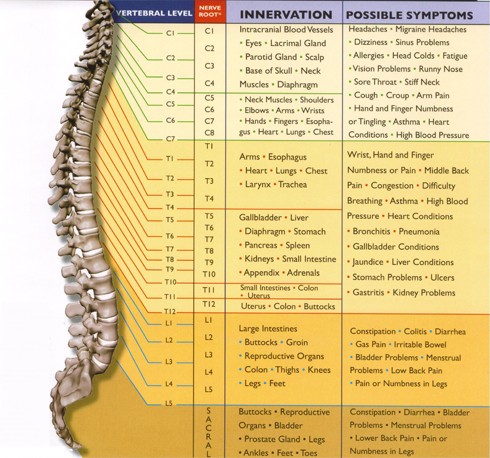
5. Spinal Cord Injury Levels-http://www.livinghealthcare.net.au/site/DefaultSite/filesystem/images/spinal-nerve-function.jpg
Related links:
1. Rachelle's story- http://today.msnbc.msn.com/id/40312492/ns/today-today_people/
2. Joni Eareckson Tada- http://www.joniandfriends.org/
3. Dr. Dan Gottlieb- http://www.drdangottlieb.com/
4. Disability & Divorce- http://www.sexualhealth.com/question/read/283/
5. Spinal Cord Injury Levels-http://www.livinghealthcare.net.au/site/DefaultSite/filesystem/images/spinal-nerve-function.jpg
Sunday, July 18, 2010
Summer Safety
As you may or may not know, the 5th anniversary if my accident was this past June. I was injured in a swimming accident, which left me paralyzed from my chest down. A split second decision to do a shallow dive changed my life forever. It was a stupid mistake (that thousands of people make every summer) that I'm still paying for, five years later.
I no longer have the ability to care for myself. Paralysis has robbed me of my independence, privacy, career, relationships, dreams and so much more. My accident literally flipped my life upside down overnight. Right now there is no cure to paralysis, so I have to face the reality that I might spend the rest of my life in a wheelchair. I might never walk again, feel most of my body or be able to live without relying on others for my daily needs. It's a hard pill to swallow. Although I have hope for a cure, I have to live for today & deal with what I have now. It's important to me that other people understand how awful paralysis is, and why we should fight for a cure. I use my life as an example of how quickly life can change and hope people can learn from my experience.
According to the Christopher & Dana Reeve Foundation, 6,500 teens end up going to the ER every summer, due to diving accidents. That does not include other summer related injuries, like biking, riding motor cycles, surfing or sports; which are all common causes for spinal cord injuries. Given that the annual rate of spinal cord injury (USA) is about 12,000, that means over half of all spinal cord injuries occur during the summer months. The CDRF estimates that there are approximately 200,000 people currently living (in the United States) with paralysis, due to recreational related spinal cord injuries. I'm one of those people.
Please take the time to learn more about paralysis & support research for a cure. There are many causes of paralysis. Unfortunately, many cases are due disease or preexisting medical condition and can not be avoided or prevented. Most spinal cord injuries can be avoided or prevented. Educate yourself and others of the common causes of spinal cord injuries and be mindful of safety measures that you can take to help prevent yourself and/or others from injury. There are some simple tips that you should know and discuss with any children/young adults in your life. The CDRF Paralysis Resource Center has put together a list for summer safety. Please check it out & share the info with friends & family (http://www.christopherreeve.org/site/c.mtKZKgMWKwG/b.5283099/k.6B65/Summer_Safety_Checklist.htm?msource=email&auid=6574797). It'll only take five minutes and could potentially save you or a loved one from getting injured. It's something I wish I had been more aware of at the time of my accident. It's so common to feel invincible when you're young and think it's important for everyone to be reminded of how easily a careless mistake can result in a serious injury. If I had read this checklist five years ago, it could have made me more cautious and i could have potentially made better decisions. Who knows? The point is, it never hurts to play things safe.
Thanks for reading & enjoy the rest of your summer!
- Posted using BlogPress from my iPad
I no longer have the ability to care for myself. Paralysis has robbed me of my independence, privacy, career, relationships, dreams and so much more. My accident literally flipped my life upside down overnight. Right now there is no cure to paralysis, so I have to face the reality that I might spend the rest of my life in a wheelchair. I might never walk again, feel most of my body or be able to live without relying on others for my daily needs. It's a hard pill to swallow. Although I have hope for a cure, I have to live for today & deal with what I have now. It's important to me that other people understand how awful paralysis is, and why we should fight for a cure. I use my life as an example of how quickly life can change and hope people can learn from my experience.
According to the Christopher & Dana Reeve Foundation, 6,500 teens end up going to the ER every summer, due to diving accidents. That does not include other summer related injuries, like biking, riding motor cycles, surfing or sports; which are all common causes for spinal cord injuries. Given that the annual rate of spinal cord injury (USA) is about 12,000, that means over half of all spinal cord injuries occur during the summer months. The CDRF estimates that there are approximately 200,000 people currently living (in the United States) with paralysis, due to recreational related spinal cord injuries. I'm one of those people.
Please take the time to learn more about paralysis & support research for a cure. There are many causes of paralysis. Unfortunately, many cases are due disease or preexisting medical condition and can not be avoided or prevented. Most spinal cord injuries can be avoided or prevented. Educate yourself and others of the common causes of spinal cord injuries and be mindful of safety measures that you can take to help prevent yourself and/or others from injury. There are some simple tips that you should know and discuss with any children/young adults in your life. The CDRF Paralysis Resource Center has put together a list for summer safety. Please check it out & share the info with friends & family (http://www.christopherreeve.org/site/c.mtKZKgMWKwG/b.5283099/k.6B65/Summer_Safety_Checklist.htm?msource=email&auid=6574797). It'll only take five minutes and could potentially save you or a loved one from getting injured. It's something I wish I had been more aware of at the time of my accident. It's so common to feel invincible when you're young and think it's important for everyone to be reminded of how easily a careless mistake can result in a serious injury. If I had read this checklist five years ago, it could have made me more cautious and i could have potentially made better decisions. Who knows? The point is, it never hurts to play things safe.
Thanks for reading & enjoy the rest of your summer!
- Posted using BlogPress from my iPad
Thursday, June 17, 2010
Regret & Forgiveness
I checked my website email account today and discovered a few new messages. One of the emails was from someone who had watched the episode of Soul Survivors that I did, on Youtube. He asked me if I often re-live (in my thoughts) the day of my accident and how I deal with regret. I thought they were great questions and want to share my response in the form of a blog, since I'm sure there are many other people out there that can relate.
Regret and forgiveness are two things I struggle with every day. I think the worst part about my accident (other than the consequences) is the fact that I did this to myself. I've experienced a lot of horrible things since that day. One of the worst things that happened right after my injury, was the fact that some of my closest friends and family made my situation worst for me, by arguing, accusing, blaming, judging and guilting me and one another. Everyone deals with grief and trauma differently and a lot of things that people in my life at the time, did and said, really shocked me. It is very true that people show their true colors, when you are at your lowest point. Some people soar and go above and beyond your wildest dreams and show you support and love you never expected. Other people shut down, close you out and disappoint you. The surprise comes in when people you've trusted your entire life let you down. They say love is unconditional, but I've learned that unfortunately, that is not always the case.
It has been incredibly hard for me to deal with all the loss and drastic changes that I've experienced. Many of the people that claim to love me, say it is sometimes equally painful (or so they think) for them, to see me suffer. The key difference is, I have no escape. I can't put my paralysis by the wayside when it gets too tough. I don't get to go back to my normal life or choose to remove myself from the situation. My family and friends have the choice to run from the situation, or at the very least, distance themselves, distract themselves or focus on other things. Some people might feel they're not strong enough to handle being in my life. For them, it is easier to dull the pain by turning a blind eye and remove themselves from the situation. At times, it upsets me, because I consider it selfish and cowardly. No matter how sad I am, how hard I try or desperate I might feel, I'm stuck. I either deal with it, or go mad. It's challenging to find strength, when people on the outside are not supportive. You can't help but think, "What's with them? They still have everything, just the same as before. They get to leave here and go on with there life." On the other hand, I suppose it's not fair of me to expect other people to put themselves through discomfort or drama, on my behalf. My family situation is tangled and broken, and added to the difficulty of my situation. My parents divorced when I was a baby and I've bounced back & forth between two families my entire life. The animosity and tension amongst my two families bubbled over after my injury and added a ton of extra stress and pain to my already horrible situation. Despite all the tears, anger and hurtful words, I've been able to forgive everyone, except myself. I guess this stems from the fact that I love my family and friends, but hate myself. It is easy to forgive someone you love, despite how much they hurt you; at least it is for me.
I've never had terriffic self esteem. I've always been hard on myself and much more critical of my own flaws, than the flaws of others. I think the perfectionist in me helped me to achieve a ton of positive things in my life, but it has certainly added anxiety and stress as well. It's very hard for me to be totally satisfied with what I do. I'm not competitive by nature, with other people, but I'm constantly striving to fit the vision inside my head (of myself, goals and aspirations). I've always pushed myself to strive for really high goals and try hard to achieve them. However, I managed to unravel all my hard and shatter my dreams in the matter of seconds. I destroyed everything I worked for with one very stupid mistake. The fact that my mistake seems so obviously idiotic, makes it all the harder to deal with and admit to the fact. Although a lot of people have told me I've made them proud (in how I've dealt with my paralysis), I'm a disappointment to myself.
I don't have any answers for myself, as to why I did what I did. Perhaps, if I had had some sort of plan in mind (like trying to do a shallow dive) and botched it, at least I'd be able to look at it as just being a mistake. However, I have no logical answer and I don't remember any specific intentions. I just dove in, blindly, without thinking. The frustrating part of it all, is that I never dove (as an adult). Swimming was one of the very few physical activities I enjoyed and looked forward to each year. I'd been swimming almost as long as I'd been walking. My family had above ground pools throughout my entire childhood and I was familiar with pool from my accident. I also had regular access (community pool and family) to in-ground pools growing up and as an adult. The last time I can remember ever diving head first into a pool, would've been before the age of eleven. I attended a pool party around that age, which turned me off from diving. Nothing particularly drastic happened at that party, I just recall it being the first time I felt afraid or thought I might hurt myself swimming. I vividly remember climbing the ladder to the high dive board, walking to the edge of the board, preparing to dive and chickening out last minute, to the annoyance of everyone behind me. I can't remember if I was forced to jump in, or if I climbed back down the ladder, but I never attempted a dive again, until the night of my accident.
I normally liked to jump into pools feet first or cannon ball style. The thought of getting accustomed to the water temperature inch, by inch, does not appeal to me. I much rather just take the plunge and be done with it all at once. I know I was feeling lazy the night of the accident and climbing up onto the side of the pool seemed the fastest way into the water. It would be no surprise to me if I would've chosen to jump into the pool, feet first and had broken my leg, stubbed my toes, or banged up my feet. That would make sense. That would sound like me. Diving in, head first, into sixty inches of water makes no sense and doesn't mesh with my character.
For a long time I beat myself up over the fact that I had been drinking that night. Those guilty (guilty of what, I'm not sure) feelings were only exacerbated by the blame and shame that was drilled into me, over and over again, during the first weeks after my accident. At my weakest point, my mistake was thrown back at me, time and time again and the story became exagerated and distorted. I was experiencing fevers 106 degrees and above, hallucinated and heavily drugged. I was living off of machines and was close to death. Despite all that was happening, I had to endure (some) my loved ones telling me how foolish I was and picking at every little flaw I had. I can remember feeling like dirt, here I was, beating myself up more than anyone, fighting to live, and yet certain people felt it necessary to make me feel worst. Aspects of my life were blown out of proportion and lies were made. I was weak, with cloudy thoughts and the desperation of not knowing what my life was going to be like. My loved ones were fighting and all I could do at that point was cry and try to make it seem like it would ok. I really believed that if I tried hard enough, I could heal myself and make up for my dumb mistake. Looking back, it all makes me very angry. I'm angry at myself, for not being stronger to stand my ground and be more in control of the situation, but at the time, my life had just dissolved in front of me and all I could think about was making it all right again.
Naturally, I think I'll always wonder how much the alcohol contributed to my decisions that night. I'll always wonder if those drinks influenced me to dive. I certainly wasn't falling down drunk, nor had I really felt drunk at the time. However from the minute I can remember waking up in the ER, that became the focus point of it all. The alcohol became the scapegoat as to why I dove and the guilt just piled on and on. It's only recently that I've forgiven myself a tiny bit over the fact that I had drank. At the time, I was twenty-four years old. I had bought my own drinks and had no intention of driving home that night. I only had had a few, and was obviously coordinated enough to scale the side of the pool and balance myself on top of the rim. It apparently had seemed shocking to some (obvious by their reactions), that a twenty four year old teacher might like to relax with friends and drink on the weekends. At the time, I let that guilt and shame eat away at me. Fortunately for my sanity, I've since realized that I was not an anomaly. Even now (pushing thirty), tons of my hardworking, educated, professional friends enjoy drinks on the weekends, have parties with friends and enjoy going out. I'm not exactly sure why I was made to feel like an ax murderer, for having a few drinks, but I was. I was balancing a lot of things that year and did stretch myself too thin at times, but that's hardly a crime. I take comfort in the fact that I know I had my life on track (it's easy to judge, when you only see one piece of the puzzle) and had accomplished a lot of things in my life that I'm still proud of. I no longer feel wrong for drinking, however much or little. I could sit here all day and list specific regrets for that day (changing our plans, going to the party, planning to swim, drinking, diving), but it's only because it's in hindsight and because of the overall consequence of the chain of events. I regret drinking because I'll always have that doubt over what role it played that night. I haven't had a sip of liquor since and made a promise to myself to never drink again; not because it's wrong or evil, but because I don't want to ever feel like I'm not 100% in control of my thoughts and decision making.
Drinking is just one of many regretful decisions I made that day. However, I only regret them because of what happened. Any other time, I wouldn't have regretted planning to swim; I'd swum at night before. I wouldn't normally regret the fact that we (me and my ex-boyfriend) had decided to go to the party last minute, instead of just staying home. I'd been swimming a million times before, had drank alcohol and had been to plenty of parties before that night, and had had a fun time and life continued on as usual. I'm sure millions of Americans will enjoy barbecues, drinking and swimming this summer without a problem. In fact, millions of people will do extremely risky things, like ride motorcycles, extreme sports, cliff diving, jump on trampolines, or just silly stunts for fun, and they will get hurt and walk away. Then there's the few thousand people that will get hurt and never walk again. For what ever reason, I was one of those thousand people, in the summer of 2005.
Since my injury, I see the world from an entirely different perspective. I see things on tv or when I go out, that make me cringe, because I know how close that person was to ending up like me. I watch shows like "World's Dumbest...Videos" and I'm just flabbergasted by the things I see people do on purpose and with a specific intent (One example, is a man sets a ladder up against his neighbor's tree, attempts to jump over his fence and land on his pool cover, but gets his foot caught on a rung on the way down and falls on the cement. Another example, is a boy that decided to ride his bicycle off the roof of his house, into a pile of snow down below.) and not only survive, but get up and walk away. At times, it makes me frustrated and angry when I see people do something similar to me or worst, and nothing happens. In fact, in the typical irony to my life, I watched (and recorded) a commercial the other day for Branchburg Pools, in which the salesman dives head first into a similar above ground pool and pops right back up to continue his sales pitch. Don't get me wrong, I don't want to see the other people paralyzed; I just can't help but think, "Why I am so different? Why didn't I pop back up? Why couldn't I walk away?" I certainly can't answer those questions, nor can anyone else.
Having no answers as to why I chose to do what I did, or reason as to why I have to pay such a high price, is extremely difficult to deal with. Given the fact that I was the one that ultimately dove (regardless of any outside contributing factors) into the pool, makes it near impossible to forgive myself. Especially given the fact, that I was an experienced swimmer and have no clear explanation as to what I was trying to do. Did I think I could shallow dive the length of the pool? Did I miscalculate the depth, because I couldn't see the bottom clearly? I'll never know for sure, but I will always regret the choice. The next question is, how do you forgive someone that ruined your life (stole your freedom, took your independence, robbed you of relationships, ended your career and in essence, killed a part of you.)? More importantly, what if you are that person? It's been five years, and I've yet to come up with any solutions. I just continue to try to do the best I can.
- Posted using BlogPress from my iPhone
Regret and forgiveness are two things I struggle with every day. I think the worst part about my accident (other than the consequences) is the fact that I did this to myself. I've experienced a lot of horrible things since that day. One of the worst things that happened right after my injury, was the fact that some of my closest friends and family made my situation worst for me, by arguing, accusing, blaming, judging and guilting me and one another. Everyone deals with grief and trauma differently and a lot of things that people in my life at the time, did and said, really shocked me. It is very true that people show their true colors, when you are at your lowest point. Some people soar and go above and beyond your wildest dreams and show you support and love you never expected. Other people shut down, close you out and disappoint you. The surprise comes in when people you've trusted your entire life let you down. They say love is unconditional, but I've learned that unfortunately, that is not always the case.
It has been incredibly hard for me to deal with all the loss and drastic changes that I've experienced. Many of the people that claim to love me, say it is sometimes equally painful (or so they think) for them, to see me suffer. The key difference is, I have no escape. I can't put my paralysis by the wayside when it gets too tough. I don't get to go back to my normal life or choose to remove myself from the situation. My family and friends have the choice to run from the situation, or at the very least, distance themselves, distract themselves or focus on other things. Some people might feel they're not strong enough to handle being in my life. For them, it is easier to dull the pain by turning a blind eye and remove themselves from the situation. At times, it upsets me, because I consider it selfish and cowardly. No matter how sad I am, how hard I try or desperate I might feel, I'm stuck. I either deal with it, or go mad. It's challenging to find strength, when people on the outside are not supportive. You can't help but think, "What's with them? They still have everything, just the same as before. They get to leave here and go on with there life." On the other hand, I suppose it's not fair of me to expect other people to put themselves through discomfort or drama, on my behalf. My family situation is tangled and broken, and added to the difficulty of my situation. My parents divorced when I was a baby and I've bounced back & forth between two families my entire life. The animosity and tension amongst my two families bubbled over after my injury and added a ton of extra stress and pain to my already horrible situation. Despite all the tears, anger and hurtful words, I've been able to forgive everyone, except myself. I guess this stems from the fact that I love my family and friends, but hate myself. It is easy to forgive someone you love, despite how much they hurt you; at least it is for me.
I've never had terriffic self esteem. I've always been hard on myself and much more critical of my own flaws, than the flaws of others. I think the perfectionist in me helped me to achieve a ton of positive things in my life, but it has certainly added anxiety and stress as well. It's very hard for me to be totally satisfied with what I do. I'm not competitive by nature, with other people, but I'm constantly striving to fit the vision inside my head (of myself, goals and aspirations). I've always pushed myself to strive for really high goals and try hard to achieve them. However, I managed to unravel all my hard and shatter my dreams in the matter of seconds. I destroyed everything I worked for with one very stupid mistake. The fact that my mistake seems so obviously idiotic, makes it all the harder to deal with and admit to the fact. Although a lot of people have told me I've made them proud (in how I've dealt with my paralysis), I'm a disappointment to myself.
I don't have any answers for myself, as to why I did what I did. Perhaps, if I had had some sort of plan in mind (like trying to do a shallow dive) and botched it, at least I'd be able to look at it as just being a mistake. However, I have no logical answer and I don't remember any specific intentions. I just dove in, blindly, without thinking. The frustrating part of it all, is that I never dove (as an adult). Swimming was one of the very few physical activities I enjoyed and looked forward to each year. I'd been swimming almost as long as I'd been walking. My family had above ground pools throughout my entire childhood and I was familiar with pool from my accident. I also had regular access (community pool and family) to in-ground pools growing up and as an adult. The last time I can remember ever diving head first into a pool, would've been before the age of eleven. I attended a pool party around that age, which turned me off from diving. Nothing particularly drastic happened at that party, I just recall it being the first time I felt afraid or thought I might hurt myself swimming. I vividly remember climbing the ladder to the high dive board, walking to the edge of the board, preparing to dive and chickening out last minute, to the annoyance of everyone behind me. I can't remember if I was forced to jump in, or if I climbed back down the ladder, but I never attempted a dive again, until the night of my accident.
I normally liked to jump into pools feet first or cannon ball style. The thought of getting accustomed to the water temperature inch, by inch, does not appeal to me. I much rather just take the plunge and be done with it all at once. I know I was feeling lazy the night of the accident and climbing up onto the side of the pool seemed the fastest way into the water. It would be no surprise to me if I would've chosen to jump into the pool, feet first and had broken my leg, stubbed my toes, or banged up my feet. That would make sense. That would sound like me. Diving in, head first, into sixty inches of water makes no sense and doesn't mesh with my character.
For a long time I beat myself up over the fact that I had been drinking that night. Those guilty (guilty of what, I'm not sure) feelings were only exacerbated by the blame and shame that was drilled into me, over and over again, during the first weeks after my accident. At my weakest point, my mistake was thrown back at me, time and time again and the story became exagerated and distorted. I was experiencing fevers 106 degrees and above, hallucinated and heavily drugged. I was living off of machines and was close to death. Despite all that was happening, I had to endure (some) my loved ones telling me how foolish I was and picking at every little flaw I had. I can remember feeling like dirt, here I was, beating myself up more than anyone, fighting to live, and yet certain people felt it necessary to make me feel worst. Aspects of my life were blown out of proportion and lies were made. I was weak, with cloudy thoughts and the desperation of not knowing what my life was going to be like. My loved ones were fighting and all I could do at that point was cry and try to make it seem like it would ok. I really believed that if I tried hard enough, I could heal myself and make up for my dumb mistake. Looking back, it all makes me very angry. I'm angry at myself, for not being stronger to stand my ground and be more in control of the situation, but at the time, my life had just dissolved in front of me and all I could think about was making it all right again.
Naturally, I think I'll always wonder how much the alcohol contributed to my decisions that night. I'll always wonder if those drinks influenced me to dive. I certainly wasn't falling down drunk, nor had I really felt drunk at the time. However from the minute I can remember waking up in the ER, that became the focus point of it all. The alcohol became the scapegoat as to why I dove and the guilt just piled on and on. It's only recently that I've forgiven myself a tiny bit over the fact that I had drank. At the time, I was twenty-four years old. I had bought my own drinks and had no intention of driving home that night. I only had had a few, and was obviously coordinated enough to scale the side of the pool and balance myself on top of the rim. It apparently had seemed shocking to some (obvious by their reactions), that a twenty four year old teacher might like to relax with friends and drink on the weekends. At the time, I let that guilt and shame eat away at me. Fortunately for my sanity, I've since realized that I was not an anomaly. Even now (pushing thirty), tons of my hardworking, educated, professional friends enjoy drinks on the weekends, have parties with friends and enjoy going out. I'm not exactly sure why I was made to feel like an ax murderer, for having a few drinks, but I was. I was balancing a lot of things that year and did stretch myself too thin at times, but that's hardly a crime. I take comfort in the fact that I know I had my life on track (it's easy to judge, when you only see one piece of the puzzle) and had accomplished a lot of things in my life that I'm still proud of. I no longer feel wrong for drinking, however much or little. I could sit here all day and list specific regrets for that day (changing our plans, going to the party, planning to swim, drinking, diving), but it's only because it's in hindsight and because of the overall consequence of the chain of events. I regret drinking because I'll always have that doubt over what role it played that night. I haven't had a sip of liquor since and made a promise to myself to never drink again; not because it's wrong or evil, but because I don't want to ever feel like I'm not 100% in control of my thoughts and decision making.
Drinking is just one of many regretful decisions I made that day. However, I only regret them because of what happened. Any other time, I wouldn't have regretted planning to swim; I'd swum at night before. I wouldn't normally regret the fact that we (me and my ex-boyfriend) had decided to go to the party last minute, instead of just staying home. I'd been swimming a million times before, had drank alcohol and had been to plenty of parties before that night, and had had a fun time and life continued on as usual. I'm sure millions of Americans will enjoy barbecues, drinking and swimming this summer without a problem. In fact, millions of people will do extremely risky things, like ride motorcycles, extreme sports, cliff diving, jump on trampolines, or just silly stunts for fun, and they will get hurt and walk away. Then there's the few thousand people that will get hurt and never walk again. For what ever reason, I was one of those thousand people, in the summer of 2005.
Since my injury, I see the world from an entirely different perspective. I see things on tv or when I go out, that make me cringe, because I know how close that person was to ending up like me. I watch shows like "World's Dumbest...Videos" and I'm just flabbergasted by the things I see people do on purpose and with a specific intent (One example, is a man sets a ladder up against his neighbor's tree, attempts to jump over his fence and land on his pool cover, but gets his foot caught on a rung on the way down and falls on the cement. Another example, is a boy that decided to ride his bicycle off the roof of his house, into a pile of snow down below.) and not only survive, but get up and walk away. At times, it makes me frustrated and angry when I see people do something similar to me or worst, and nothing happens. In fact, in the typical irony to my life, I watched (and recorded) a commercial the other day for Branchburg Pools, in which the salesman dives head first into a similar above ground pool and pops right back up to continue his sales pitch. Don't get me wrong, I don't want to see the other people paralyzed; I just can't help but think, "Why I am so different? Why didn't I pop back up? Why couldn't I walk away?" I certainly can't answer those questions, nor can anyone else.
Having no answers as to why I chose to do what I did, or reason as to why I have to pay such a high price, is extremely difficult to deal with. Given the fact that I was the one that ultimately dove (regardless of any outside contributing factors) into the pool, makes it near impossible to forgive myself. Especially given the fact, that I was an experienced swimmer and have no clear explanation as to what I was trying to do. Did I think I could shallow dive the length of the pool? Did I miscalculate the depth, because I couldn't see the bottom clearly? I'll never know for sure, but I will always regret the choice. The next question is, how do you forgive someone that ruined your life (stole your freedom, took your independence, robbed you of relationships, ended your career and in essence, killed a part of you.)? More importantly, what if you are that person? It's been five years, and I've yet to come up with any solutions. I just continue to try to do the best I can.
- Posted using BlogPress from my iPhone
Friday, February 19, 2010
Pain in The Butt
I haven't been feeling well for a while now. My tolerance for sitting up in my chair has been decreasing, ever since I had that pressure sore on my thigh a couple of years ago. I used to be able to tolerate sitting eight hours (or more) every day. Now I typically feel wiped out after only four hours. Even though I'm paralyzed, with hardly any sensation, my body compensates by presenting me with certain signals: chills, cold sweat, profuse sweating on only one side of my face, tingling sensations, fever and tightness in my chest. The signals are called autonomic dysreflexia (common for people with high injuries like mine), and are my body's way of alerting me to a problem. The bad thing, is the fact that dysreflexic symptoms are secondary symptoms and I have no real way of knowing what the cause is. I tend to go down a mental checklist and try and rule out common possibilities: blocked catheter, wrinkle in clothing, a pressure area, my feet, bowel issues and my position. It's normally one of the things on the list and once it is resolved, the dysreflexic symptoms go away.
Most of the time, dysreflexia is only a minor discomfort, that I've learned to deal with. However, there are rare occasions when we (my caregiver and I) can't figure out the cause or I know the cause, but don't have help nearby. It is especially frustrating when there is nothing to pin it on and I end up feeling sick for long periods of time. In many cases, I think it is caused by urinary tract infections or indigestion. I try to avoid taking antibiotics at all costs, because they reek havoc with my bowels and sometimes cause nausea.The dangerous and/or scary part aboutdysreflexia is the fact that the majority of the symptoms are caused by my blood pressure rising. Since I can't feel the pain my body feels, it elevates my blood pressure and that's what causes the secondary symptoms. If the problem causing the pain or discomfort isn't found, then my pressure will continuously rise and I risk having a stroke. When it gets very high I feel as though I have a vice grip around my ribs, squeezing me and an immense heaviness where my ribcage meets. If you've ever had pneumonia, you are familiar with the feeling, although in my case it has nothing to do with my lungs. I do run low grade fevers quite often; always starting in the late afternoon, after I've been sitting a while. I can tell as soon as they come on, because I begin to feel very lethargic.Thankfully, I haven't had any high fevers in a long time. The first year after my accident I had a few potentially lethal fevers, that hit 106 degrees Fahrenheit or more.
Normally, I chalk up my crumby feelings to my catheter and try not to let it bother me. Lately though, I've been getting the tightness in my chest too often. It forces me to feel as though I have to lay down, because that's the only thing I've found that helps the symptoms subside at all. The tightness doesn't go away until I've laid down awhile. Aside from the discomfort, it's been really annoying not being able to pinpoint the cause. In a lot of cases, even the doctors have no way of knowing why I experience dysreflexic symptoms and they tend to blame it on one another. My urologist is always blaming my bowels, my physiatrist often thinks it's urological and my general doctor usually has no answer. Honestly, I know my body better than all of them and I often feel like it's a waste of time to be seen by doctors, since it's all a guessing game. I find doctors (at least mine) look for pills to solve everything and are quick to write out prescriptions. Most of my doctors are willing to give me prescriptions for specific things, as long as I ask. I'm sure it's because they know that it's impossible (in most cases) to know for sure what wrong with me and they rely on me to help figure out a diagnosis. During my first year post accident, I was easily taking over 20 pills each day. The bulk of my medicine is bowel and/or bladder related. In fact, I ran into problems a couple years back, because I was constantly taking antibiotics forUTIs (urinary tract infections). The antibiotics in turn, caused issues with my bowels and that's what led to my sore. It is so aggravating when the solution to one problem creates a new problem.
People with quadriplegia require bowel regimes or colostomy bags to go to the bathroom. It's a subject I've rarely discussed with anyone, besides my friends who are also paralyzed. Although, I'm not really comfortable talking about it, I think it's important that people learn all aspects about paralysis. I want people to understand exactly what I go through and why it is so crucial that we find a cure. I share things, at the expense of feeling embarrassed, because I want people to see the whole picture. Going to the bathroom (bowel movement) is my least favorite subject and yet, I find my life revolving around the bathroom, these days. What's worst is that I have had issues with using the restroom my whole life. I don't know why and I'm sure psychologists would give me some complex Freudian theory as an explanation. All I know, is that it is a part of life that I've never felt comfortable about. In a way, I feel like it's the epitome of un-ladylike behavior.
I realize that going to the bathroom is not something one can choose to do or not to do and that everyone does it. I've just always seen it as an embarrassing part of life; one aspect that was acceptable for others, but not myself. I put myself through a lot of physical pain through the years because of my issues (paranoia, disgust, embarrassment) because I absolutely could not bring myself to "go" just anywhere. I'd rather have stomach cramps, than use a public restroom or a friend's bathroom. I used to treat going to the bathroom like some covert operation; the objective being not to leave evidence behind. I know it probably sounds silly to most people, never the less, it's hard to change how you feel towards something, especially when there's not much you can do to change it. I still hate going to the bathroom, more so than ever, because I no longer have any privacy. It's like my worst nightmare, having to have someone else assist me in this area. There's also the constant worry over accidents, since I have no control or sensations whatsoever. Having a bowel regime is supposed to keep your body on a schedule and is designed to prevent accidents, however nothing is full proof. I can't even begin to explain the stress related to never knowing or worrying about the fact that your body can decide to do whatever it wants, without warning. It's always in the back of my mind.
Being paralyzed (especially quadriplegic) often requires having people in your face much more than you might want or like. It's hard to have any true privacy when you need someone helping you with ever single aspect of life. Given the fact that I've always been extremely independent, it can feel suffocating at times to hardly ever have time alone. On top of that, there are so many personal hygiene things that adults normally do for themselves that I need help with. At times it can be very embarrassing or uncomfortable accepting help. There are tons of "simple"ADLs (activities of daily living) that I need help with that the average person might not even think about, because they are second nature: shaving, blowing your nose, going to the bathroom, bathing, trimming finger/toe nails, cleaning your ears, dressing, applying cream/lotion, getting an eye lash out of your eye, scratching an itch, brushing your teeth, brushing/styling your hair, applying make up, using a napkin when you eat, changing pads/diapers/soiled clothing, eating and so on and so forth. Under normal circumstances, I wouldn't have dreamed of asking for help with most of the things I mentioned. Being healthy and able to care for one's self is something most people don't think about and take for granted. I'm also guilty of thinking that way, prior to my accident. It wasn't until after my injury that I realized how lucky I was before and how many little things are effected by paralysis. Paralysis has changed my entire perspective on life.
For me, the bowel regime is the ultimate torture and most embarrassing thing that I need help with. It's been over four years since my accident and it still hasn't gotten any easier to deal with having other people involved in such a private aspect of life. The worst part about it, is the fact that I have absolutely no choice in the matter. If I could have some sort of nutrient injection and just give up food, I would. I realize how crazy it sounds, but it's an example I use, to demonstrate how much it bothers me. Food is one of the few pleasures I have left and I'd still give it up, if it meant never having to go to the bathroom again. Unfortunately, I need to eat to survive and my body needs to get rid of the waste. It just stinks (no pun intended) not being able to control the most basic functions. Being a woman adds even more things to the list of things I can no longer control or be able to care for myself. I can't help but think about how unfair it all seems. I sometimes ask God why he/she couldn't give me a little bit of a break. Is it too much to ask to not have a menstrual cycle? I lost it for six months post accident and wish it wouldn't have come back. I mean, so many other functions were lost, why not that one too? It's not like I'm going to be having children anytime soon. Having to have other people help during that time each month ranks second in terms of embarrassment.Is it too much to ask to not have to constantly worry about incontinence? The whole point of a bowel regime is to prevent accidents and yet they still occur from time to time. It's hard to explain how awful I feel, when accidents occur. Most of my aides, nurses and family try to down play it, like it's no big deal, but I have a feeling they'd think differently if it was them.
The entire subject of incontinence upsets me. It is not easy to cope with the knowledge that I have no control over my own body, or that I have to endure a bowel program for as long as I am paralyzed. I won't even consider the idea of having a colostomy bag. It is not an option. I already know that having a colostomy bag would bother me even more than having to go through a bowl program. The thought of having a bag filled with feces strapped to me, makes me sick to my stomach. As it stands, a nurse comes every other day for three hours and I have to take six pills a day, to keep my body functions working on a routine. Although it can be tedious, I feel as though I'm left with no choice, but to grin and bear the situation the way it is. Having a bowel program (I'll try and spare you from as much detail as possible) consists of having another person manually stimulate your body into going to the bathroom. Someone like me (quadriplegic) no longer feels the sensation of needing to go to the bathroom, nor the feeling of going, nor the ability to control the required muscles. The person assisting with the bowel program is in essence, giving your system a jump start to signal it into doing what it needs to do. It is also the assistant's (usually a nurse) job to make sure that the bowel regime was a success, by manually checking to ensure that your body has no more waste it needs to get rid of. If it's done on a set schedule and you take your medication and watch your diet, it's supposed to be pretty consistent and give you the peace of mind that you can go through your day without having to worry. When things are going well (usually only ever lasts a couple of months at best), I do a decent job of coping and try to block out the situation as best I can.
It's frustrating and depressing when I do everything I'm supposed to do and problems arise regardless. It makes me want to scream. Why I am going through all this, if I'm still having to worry or feel on edge?! Not to mention, there are secondary issues that come along with the fear of incontinence that are not only embarrassing, but also unhealthy. As I mentioned early, if incontinence happens too frequently, the person risks having skin breakdown and sores. My latest discovery, is that people with spinal cord injuries are also prone to getting hemorrhoids. Oh joy! Yet another embarrassing thing I can add to my list of things I wish I didn't need help with. I never realized how common hemorrhoids actually are. Apparently, most women get them after childbirth. At this stage in my life I would probably be dealing with them anyway (from having a child), even if I never got injured. The difference now, is that there is no way of getting relief, other than topical treatments, like creams. So although hemorrhoids may be a common problem, it becomes a much more complicated issue for people with paralysis. Unlike the average person, I don't have the luxury of being able to stand or tolerate long periods of time laying on my side. On top of that, the very thing I hate the most (bowel program) is one of the main causes and primary irritant to hemorrhoids. I feel like I can't win.
Some people are better than others at dealing with needing to have help with hygiene and toileting issues. I suppose it all depends on individual personalities and how the person dealt with that aspect of life, prior to their injury. I've always had bathroom hang-ups and being paralyzed just magnifies those feelings ten fold. In general, I find that men are much more laid back about topic. Statistically speaking, there is a greater percentage of men, versus women with spinal cord injuries and the vast majority of my paralyzed friends are men. By comparison, men also seem to enjoy toilet humor and talk more openly about the subject, whether injured or not. Women with spinal cord injuries have additional issues that can add to the stress and depression, often related to paralysis. Men don't have the potential to bear children or the burdens of menstruation. It's heartbreaking to know that I might never experience pregnancy (Technically I can carry a child, but I'd have no sensation and it would be high risk. Not to mention, I'd have no ability to physically care for a baby), breastfeeding or holding my own child. These are things I've dreamed of and imagined, since I was a young girl. Men with spinal cord injuries don't have to deal with all the extra problems that women face. I'm not saying men have it easy. No one living with paralysis has it easy. I'm merely demonstrating the obstacles I face as a paralyzed woman and my difficulties dealing with the care I need.
Not all people with paralysis will agree with me, in terms of how they feel about the care they need. Like I said, each case is unique: every injury, every body, coping skills, treatments and attitude. Despite how poorly or well a person deals with living with paralysis, I'm certain that 100% of the people in the spinal cord injury would give anything to have their health back. I doubt anyone would choose help over the ability to care for one's self independently. I think it is absolutely vital that people understand paralysis, especially given the fact that a spinal cord injury could happen to anyone, at any age.
The things I dream about now, are the most basic abilities that most people never even think about. So many people are wrapped up in trivial problems and materialistic attachments . I think it's important to help others understand how lucky they really are and to help them re-focus their priorities. As embarrassing and disturbing my conversations, blogs or interviews are at times, it is all worth it, if it opens the average person's eyes to what it mean to be paralyzed. When I think about the out pouring of generosity Americans have shown towards issues of human suffering (like Haiti, New Orleans,Darfur , etc.), I know that people will support a cure. I think two of the key factors to curing paralysis are awareness & funding. That is why I feel it is important to be open and honest. It's not about pity. It's about raising public awareness. People need to know the true, everyday obstacles that paralysis poses, so that they we be motivated to find a cure. Sugar coating my life by talking about all the things I can still do will not help bring a cure. Yes, life isn't over after paralysis, but why should I have to settle for compromise for the rest of my life? My injury has taught me to value the core things in life: love, family/friends & health. If I could regain the ability to care for myself, I'd be a happy person the rest of my life.
To learn more about Autonomic Dysreflexia, check out this link: Autonomic Dysreflexia
Most of the time, dysreflexia is only a minor discomfort, that I've learned to deal with. However, there are rare occasions when we (my caregiver and I) can't figure out the cause or I know the cause, but don't have help nearby. It is especially frustrating when there is nothing to pin it on and I end up feeling sick for long periods of time. In many cases, I think it is caused by urinary tract infections or indigestion. I try to avoid taking antibiotics at all costs, because they reek havoc with my bowels and sometimes cause nausea.The dangerous and/or scary part aboutdysreflexia is the fact that the majority of the symptoms are caused by my blood pressure rising. Since I can't feel the pain my body feels, it elevates my blood pressure and that's what causes the secondary symptoms. If the problem causing the pain or discomfort isn't found, then my pressure will continuously rise and I risk having a stroke. When it gets very high I feel as though I have a vice grip around my ribs, squeezing me and an immense heaviness where my ribcage meets. If you've ever had pneumonia, you are familiar with the feeling, although in my case it has nothing to do with my lungs. I do run low grade fevers quite often; always starting in the late afternoon, after I've been sitting a while. I can tell as soon as they come on, because I begin to feel very lethargic.Thankfully, I haven't had any high fevers in a long time. The first year after my accident I had a few potentially lethal fevers, that hit 106 degrees Fahrenheit or more.
Normally, I chalk up my crumby feelings to my catheter and try not to let it bother me. Lately though, I've been getting the tightness in my chest too often. It forces me to feel as though I have to lay down, because that's the only thing I've found that helps the symptoms subside at all. The tightness doesn't go away until I've laid down awhile. Aside from the discomfort, it's been really annoying not being able to pinpoint the cause. In a lot of cases, even the doctors have no way of knowing why I experience dysreflexic symptoms and they tend to blame it on one another. My urologist is always blaming my bowels, my physiatrist often thinks it's urological and my general doctor usually has no answer. Honestly, I know my body better than all of them and I often feel like it's a waste of time to be seen by doctors, since it's all a guessing game. I find doctors (at least mine) look for pills to solve everything and are quick to write out prescriptions. Most of my doctors are willing to give me prescriptions for specific things, as long as I ask. I'm sure it's because they know that it's impossible (in most cases) to know for sure what wrong with me and they rely on me to help figure out a diagnosis. During my first year post accident, I was easily taking over 20 pills each day. The bulk of my medicine is bowel and/or bladder related. In fact, I ran into problems a couple years back, because I was constantly taking antibiotics forUTIs (urinary tract infections). The antibiotics in turn, caused issues with my bowels and that's what led to my sore. It is so aggravating when the solution to one problem creates a new problem.
People with quadriplegia require bowel regimes or colostomy bags to go to the bathroom. It's a subject I've rarely discussed with anyone, besides my friends who are also paralyzed. Although, I'm not really comfortable talking about it, I think it's important that people learn all aspects about paralysis. I want people to understand exactly what I go through and why it is so crucial that we find a cure. I share things, at the expense of feeling embarrassed, because I want people to see the whole picture. Going to the bathroom (bowel movement) is my least favorite subject and yet, I find my life revolving around the bathroom, these days. What's worst is that I have had issues with using the restroom my whole life. I don't know why and I'm sure psychologists would give me some complex Freudian theory as an explanation. All I know, is that it is a part of life that I've never felt comfortable about. In a way, I feel like it's the epitome of un-ladylike behavior.
I realize that going to the bathroom is not something one can choose to do or not to do and that everyone does it. I've just always seen it as an embarrassing part of life; one aspect that was acceptable for others, but not myself. I put myself through a lot of physical pain through the years because of my issues (paranoia, disgust, embarrassment) because I absolutely could not bring myself to "go" just anywhere. I'd rather have stomach cramps, than use a public restroom or a friend's bathroom. I used to treat going to the bathroom like some covert operation; the objective being not to leave evidence behind. I know it probably sounds silly to most people, never the less, it's hard to change how you feel towards something, especially when there's not much you can do to change it. I still hate going to the bathroom, more so than ever, because I no longer have any privacy. It's like my worst nightmare, having to have someone else assist me in this area. There's also the constant worry over accidents, since I have no control or sensations whatsoever. Having a bowel regime is supposed to keep your body on a schedule and is designed to prevent accidents, however nothing is full proof. I can't even begin to explain the stress related to never knowing or worrying about the fact that your body can decide to do whatever it wants, without warning. It's always in the back of my mind.
Being paralyzed (especially quadriplegic) often requires having people in your face much more than you might want or like. It's hard to have any true privacy when you need someone helping you with ever single aspect of life. Given the fact that I've always been extremely independent, it can feel suffocating at times to hardly ever have time alone. On top of that, there are so many personal hygiene things that adults normally do for themselves that I need help with. At times it can be very embarrassing or uncomfortable accepting help. There are tons of "simple"ADLs (activities of daily living) that I need help with that the average person might not even think about, because they are second nature: shaving, blowing your nose, going to the bathroom, bathing, trimming finger/toe nails, cleaning your ears, dressing, applying cream/lotion, getting an eye lash out of your eye, scratching an itch, brushing your teeth, brushing/styling your hair, applying make up, using a napkin when you eat, changing pads/diapers/soiled clothing, eating and so on and so forth. Under normal circumstances, I wouldn't have dreamed of asking for help with most of the things I mentioned. Being healthy and able to care for one's self is something most people don't think about and take for granted. I'm also guilty of thinking that way, prior to my accident. It wasn't until after my injury that I realized how lucky I was before and how many little things are effected by paralysis. Paralysis has changed my entire perspective on life.
For me, the bowel regime is the ultimate torture and most embarrassing thing that I need help with. It's been over four years since my accident and it still hasn't gotten any easier to deal with having other people involved in such a private aspect of life. The worst part about it, is the fact that I have absolutely no choice in the matter. If I could have some sort of nutrient injection and just give up food, I would. I realize how crazy it sounds, but it's an example I use, to demonstrate how much it bothers me. Food is one of the few pleasures I have left and I'd still give it up, if it meant never having to go to the bathroom again. Unfortunately, I need to eat to survive and my body needs to get rid of the waste. It just stinks (no pun intended) not being able to control the most basic functions. Being a woman adds even more things to the list of things I can no longer control or be able to care for myself. I can't help but think about how unfair it all seems. I sometimes ask God why he/she couldn't give me a little bit of a break. Is it too much to ask to not have a menstrual cycle? I lost it for six months post accident and wish it wouldn't have come back. I mean, so many other functions were lost, why not that one too? It's not like I'm going to be having children anytime soon. Having to have other people help during that time each month ranks second in terms of embarrassment.Is it too much to ask to not have to constantly worry about incontinence? The whole point of a bowel regime is to prevent accidents and yet they still occur from time to time. It's hard to explain how awful I feel, when accidents occur. Most of my aides, nurses and family try to down play it, like it's no big deal, but I have a feeling they'd think differently if it was them.
The entire subject of incontinence upsets me. It is not easy to cope with the knowledge that I have no control over my own body, or that I have to endure a bowel program for as long as I am paralyzed. I won't even consider the idea of having a colostomy bag. It is not an option. I already know that having a colostomy bag would bother me even more than having to go through a bowl program. The thought of having a bag filled with feces strapped to me, makes me sick to my stomach. As it stands, a nurse comes every other day for three hours and I have to take six pills a day, to keep my body functions working on a routine. Although it can be tedious, I feel as though I'm left with no choice, but to grin and bear the situation the way it is. Having a bowel program (I'll try and spare you from as much detail as possible) consists of having another person manually stimulate your body into going to the bathroom. Someone like me (quadriplegic) no longer feels the sensation of needing to go to the bathroom, nor the feeling of going, nor the ability to control the required muscles. The person assisting with the bowel program is in essence, giving your system a jump start to signal it into doing what it needs to do. It is also the assistant's (usually a nurse) job to make sure that the bowel regime was a success, by manually checking to ensure that your body has no more waste it needs to get rid of. If it's done on a set schedule and you take your medication and watch your diet, it's supposed to be pretty consistent and give you the peace of mind that you can go through your day without having to worry. When things are going well (usually only ever lasts a couple of months at best), I do a decent job of coping and try to block out the situation as best I can.
It's frustrating and depressing when I do everything I'm supposed to do and problems arise regardless. It makes me want to scream. Why I am going through all this, if I'm still having to worry or feel on edge?! Not to mention, there are secondary issues that come along with the fear of incontinence that are not only embarrassing, but also unhealthy. As I mentioned early, if incontinence happens too frequently, the person risks having skin breakdown and sores. My latest discovery, is that people with spinal cord injuries are also prone to getting hemorrhoids. Oh joy! Yet another embarrassing thing I can add to my list of things I wish I didn't need help with. I never realized how common hemorrhoids actually are. Apparently, most women get them after childbirth. At this stage in my life I would probably be dealing with them anyway (from having a child), even if I never got injured. The difference now, is that there is no way of getting relief, other than topical treatments, like creams. So although hemorrhoids may be a common problem, it becomes a much more complicated issue for people with paralysis. Unlike the average person, I don't have the luxury of being able to stand or tolerate long periods of time laying on my side. On top of that, the very thing I hate the most (bowel program) is one of the main causes and primary irritant to hemorrhoids. I feel like I can't win.
Some people are better than others at dealing with needing to have help with hygiene and toileting issues. I suppose it all depends on individual personalities and how the person dealt with that aspect of life, prior to their injury. I've always had bathroom hang-ups and being paralyzed just magnifies those feelings ten fold. In general, I find that men are much more laid back about topic. Statistically speaking, there is a greater percentage of men, versus women with spinal cord injuries and the vast majority of my paralyzed friends are men. By comparison, men also seem to enjoy toilet humor and talk more openly about the subject, whether injured or not. Women with spinal cord injuries have additional issues that can add to the stress and depression, often related to paralysis. Men don't have the potential to bear children or the burdens of menstruation. It's heartbreaking to know that I might never experience pregnancy (Technically I can carry a child, but I'd have no sensation and it would be high risk. Not to mention, I'd have no ability to physically care for a baby), breastfeeding or holding my own child. These are things I've dreamed of and imagined, since I was a young girl. Men with spinal cord injuries don't have to deal with all the extra problems that women face. I'm not saying men have it easy. No one living with paralysis has it easy. I'm merely demonstrating the obstacles I face as a paralyzed woman and my difficulties dealing with the care I need.
Not all people with paralysis will agree with me, in terms of how they feel about the care they need. Like I said, each case is unique: every injury, every body, coping skills, treatments and attitude. Despite how poorly or well a person deals with living with paralysis, I'm certain that 100% of the people in the spinal cord injury would give anything to have their health back. I doubt anyone would choose help over the ability to care for one's self independently. I think it is absolutely vital that people understand paralysis, especially given the fact that a spinal cord injury could happen to anyone, at any age.
The things I dream about now, are the most basic abilities that most people never even think about. So many people are wrapped up in trivial problems and materialistic attachments . I think it's important to help others understand how lucky they really are and to help them re-focus their priorities. As embarrassing and disturbing my conversations, blogs or interviews are at times, it is all worth it, if it opens the average person's eyes to what it mean to be paralyzed. When I think about the out pouring of generosity Americans have shown towards issues of human suffering (like Haiti, New Orleans,Darfur , etc.), I know that people will support a cure. I think two of the key factors to curing paralysis are awareness & funding. That is why I feel it is important to be open and honest. It's not about pity. It's about raising public awareness. People need to know the true, everyday obstacles that paralysis poses, so that they we be motivated to find a cure. Sugar coating my life by talking about all the things I can still do will not help bring a cure. Yes, life isn't over after paralysis, but why should I have to settle for compromise for the rest of my life? My injury has taught me to value the core things in life: love, family/friends & health. If I could regain the ability to care for myself, I'd be a happy person the rest of my life.
To learn more about Autonomic Dysreflexia, check out this link: Autonomic Dysreflexia
Tuesday, January 26, 2010
Stressed Out!
As you can imagine, I've been dealing with a significant amount of stress since my accident. I would say my day to day stress level is relatively high compared to the average person. I say this based on my past experience and the comparison in the types of problems or stressors I dealt with before my injury versus now. I can also cite examples based on all my friends and family. I realize that all emotions or moods are relative; given that each person has different coping skills and life experience. Stress is not something we can really quantify so it's hard to compare stress levels between people. Not to mention, one man's problem could be another man's blessing.
My entire perspective on life now is different from before my accident and in many ways I feel like a completely different person. My accident changed me both physically and mentally. I think of my life in two parts and feel as though I have lived two separate lives. It's as if the "old Christina" died June 5, 2005 and the "new Christina" emerged. Obviously, this is figurative, because I didn't actually die. However many of my old thought processes and view points "died" and have been replaced with new ones. I imagine even if I were to be cured and on my feet again, that the experience of living with paralysis will have left me forever changed.
I have to admit that despite all the hardships and loss I've endured, the accident made me a much stronger person mentally. I've been able to deal with things that I never thought I could. The human spirit is pretty amazing and I even surprise myself at times. Most people think they know how they will react to stress or trauma, but I've found that a lot of people don't give themselves enough credit. I know for sure that if someone asked me how I'd react to my situation before I was injured, I would have said I'd rather be dead. There have been many times I've thought that since my accident. However, there is a huge difference in imagining something versus having experienced it. Prior to my accident I had never so much as broken a bone. My closet "brush with death" would have been a sprained wrist, four stitches or perhaps my old driving habits. In the past I imagined giving up would be easy in comparison to living with paralysis, but the fear I felt those seconds or minutes I spent under the water that night changed all that. I felt no peace or comfort when I was drowning. There was no white light or sense of calming. In those few moments, I felt overwhelmed with fear, sadness and fear. It's hard to let go of that fear, especially knowing what I went through in the hospital. The thought of returning to that state terrifies me. I was naive in thinking how easy it would be to just give up. The cliche "ignorance is bliss" rings true when I analyze my thoughts before my injury. There's no way of really knowing how much stress you can handle unless you are faced with it. For me, the experience of coming so close to death has made push to stay alive. My driving force is based on wanting to fix my mistakes and my hope for the future. Every time I think I can't possibly go on another day I try and remind myself of everything I've been through and everything I've somehow overcome.
I feel as though paralysis is the source on ninety percent of my stress and it is frustrating trying to figure out ways to cope. There is no guarantee that my paralysis will ever be cured, therefore I live with the fact that no matter what I do there are certain problems that might not ever go away. That is why I say that I have more stress than the average person. The only true solution would be a cure to paralysis. It is especially maddening when people suggest medication or talk therapy to me. I've done both with little success. I take medication, but still feel depressed and anxious. How can I not, given my condition? Isn't it normal to be bothered by paralysis? Who on earth (of sound mind) would be happy to be sick or have a chronic illness? I think it's only logical that my situation bothers me and find it useless to think I'll ever be completely satisfied this way. If there is no remedy for the source of all my problems, all I can do is find new ways to deal with secondary issues created by the underlying cause. I'm sure most people with chronic illnesses can relate. It's difficult to cope with symptoms or outlying issues, when you know you can't get rid of the root of the problem. It can become so overwhelming at times, because I know no matter how many days I get through, there is another day of the same stuff waiting for me. My paralysis effects everything; until it's cured I will always face certain obstacles and stress.
So many of life's stress factors have solutions or resolve themselves with time. Relationships, financial troubles, raising children and even grief can be worked out over time; the pain dulls or solutions are found. In my situation, there are many stressful things that I need to do just to stay alive. As much as it bothers me, I don't have the luxury of moving on, or getting over it. I'm faced with the consequences of my accident day in and day out. Although some things that used to bother me seem ridiculous to me now, at the time they seemed valid. I try and keep that in mind when I talk with family and friends. I can see how easily someone in my situation could slip into cynicism and bitterness. It's hard to be sympathetic when your problems seem so grave in comparison to the people around you. I can't tell you how often I've thought, "I wish those were my problems." It's at those moments I have to remind myself that most of my friends and family will never truly be able to see life from my perspective and I shouldn't fault them for that. I try and think about how I might have reacted before my accident and try my best to recall my past. I push myself to make an effort to take a genuine interest in my loved ones lives. I value them and don't think it's fair to drag them down with me or belittle their problems (regardless of how insignificant or shallow they might seem to me). No one wants to be around a grouch or someone in a constant state of self pity.
I've found ways to not only cope with my paralysis, but how to mask a lot of what I'm going through. In some respect I feel it's not fair to those around me, even if I start to feel overwhelmed by everything I've kept bottled up. Most times I feel disenchanted and see no point in discussing my problems. The majority of stuff that bothers me is directly related to my paralysis such as, needing help with every single little thing. I never get a break from people and never feel like a truly have privacy. I've been injured now for over four years and still haven't figured a way to deal with needing help with highly personal things, such as going to bathroom, being bathed, fed and dressed. Outwardly, I'm not breaking into tears every morning or going into hysterics, but on the inside there's a torrent of emotions running through me. If I do express my discomfort, most people try and brush it off or down play it like it's no big deal. I understand there aren't many right answers or advice to give. No words can ever make me feel 100% better. In fact, most of the time I find myself getting annoyed and/or frustrated with the person, especially if they are able bodied. My able bodied friends and family sometimes think they can imagine what it's like to be paralyzed, but they can't. It is one of those things that you have to live through to understand. The problem with imagining something is that you are limited to drawing from the experiences you've had. There is no experience you could have that compares to certain aspects of paralysis. Often times I can't even find the words to explain what I'm feeling, because it's unlike anything I ever experienced on my feet. It can be very frustrating, because no matter what I use as a comparison, it's just not the same . Sure, you could try and simulate the experience by restraining your limbs; to experience the discomfort of having to have help, or feel the sense of vulnerability. However, such a simulation doesn't even begin to truly mimic what it's like to be paralyzed. A good example of this is how nurse's aides often have to "ride" in a Hoyer lift to help promote empathy for their patients. Although some people might feel nervous at the thought of being suspended in the air, it's nothing close to what it's like for someone like me. For starters, an able bodied person can grab onto the machine for security. I have no way to stop myself from falling or brace myself if I do fall. Secondly, an able bodied person can feel the sling beneath them. I have no sensation below my chest and therefore, if I can't see what's going on it feels as though the rest of my body does not exist. Not to mention the fact that someone taking part in a simulated exercise knows that there discomfort is only temporary. If I knew for sure that I'd be back on my feet, it'd give me a tremendous boost of strength and motivation. It's the difference of an innocent person serving a short jail sentence and being on death row. In both cases the innocent person is being unfairly punished, but the person with a designated time frame has the advantage of knowing that it's temporary. If I knew the date of when a cure will be found I would have the peace of mind in knowing what I'm up against. A set time frame gives you something to look forward; there is an the end. Even if that magical cure date was beyond my lifetime at least I'd have an answer. My situation overwhelms me at times because of the uncertainty of ever getting cured. Granted, my accident is an example that, despite set plans, no one ever really knows there future. Plans give us the illusion of control over our lives, and there are times when life throws in surprises. However, there are certain definites, just as I know for sure that my birthday will be on July 4th, it would be awesome to know when there will be a cure.
One of the many bad things about stress is that can have a direct impact on your health. Stress, like many emotions, it is not limited to just effecting your mood. I think keeping all of my stress bottled up is having a negative effect on my body. Lately, my aides and I have noticed that I'm losing hair. Having long, thick hair that is prone to knots means I'm accustomed to losing a certain amount everyday, just by brushing it. Recently though, it's been much too much to be normal. I know it could be from a dietary deficiency, but I doubt it. My diet is well rounded with fruits, veggies and protein and it hasn't changed drastically in any way. My medicine and environment are stable, so I'm thinking it's got to be stress related. I've also been battling acne since my accident. My skin used to be near flawless, which I had chalked up to good genes. Now I'm beginning to wonder if other factors (like medicine) were keeping my skin so nice or if the problem is only related to my current situation. I have several theories as to the cause; stress being number one. I have been going to a dermatologist and trying various treatments, but none have been very successful. My body has already been through so many changes because of the paralysis and now it seems I'm creating more problems by stressing out. I know emotion/mood has an effect on health and healing, but it is near impossible for me to eliminate the stress, anxiety or sadness I often feel. My hair and skin are not only proof of stress, they are now also a new source of stress. I feel faced with a double edged sword.
I've decided to attempt to lower my stress level by writing letters to a few people close to me. I think some of the things that are bothering me could have solutions, if the people doing them are willing to compromise with me, or change. Although I don't particularly mind arguing, I'm terrible at approaching situations where I have to tell someone they are doing something that bothers me. I'm fine once the ice is broken, but I struggle to bring up the subject. I have the most difficulty when the issue effects me specifically. In other words, if you did something mean or bothersome to my friend, I have no qualms about opening my mouth immediately. I'm fine at speaking up to help others, but I stink at sticking up for myself. I often just bite my tongue or let the frustration roll off my shoulders. I can forgive easily, so minor annoyances often get overlooked. The problem is, if I ignore or avoid things when they are small, they tend to snowball into something big; making it even harder to address or fix issue. It is the one area that I have a hard time expressing myself. It's especially worst with adults and even more so the closer you are to me (relationship wise). Writing down my thoughts gives me the comfort of being able to say almost anything. I also get satisfaction in knowing I've said everything I wanted to say, without getting interrupted or forgotten. So, I'm hoping to break the ice with a few people, about a few issues that are resolvable. I'm hoping the letters will open up the dialog and that I'm able to get a little relief.
I have to admit that despite all the hardships and loss I've endured, the accident made me a much stronger person mentally. I've been able to deal with things that I never thought I could. The human spirit is pretty amazing and I even surprise myself at times. Most people think they know how they will react to stress or trauma, but I've found that a lot of people don't give themselves enough credit. I know for sure that if someone asked me how I'd react to my situation before I was injured, I would have said I'd rather be dead. There have been many times I've thought that since my accident. However, there is a huge difference in imagining something versus having experienced it. Prior to my accident I had never so much as broken a bone. My closet "brush with death" would have been a sprained wrist, four stitches or perhaps my old driving habits. In the past I imagined giving up would be easy in comparison to living with paralysis, but the fear I felt those seconds or minutes I spent under the water that night changed all that. I felt no peace or comfort when I was drowning. There was no white light or sense of calming. In those few moments, I felt overwhelmed with fear, sadness and fear. It's hard to let go of that fear, especially knowing what I went through in the hospital. The thought of returning to that state terrifies me. I was naive in thinking how easy it would be to just give up. The cliche "ignorance is bliss" rings true when I analyze my thoughts before my injury. There's no way of really knowing how much stress you can handle unless you are faced with it. For me, the experience of coming so close to death has made push to stay alive. My driving force is based on wanting to fix my mistakes and my hope for the future. Every time I think I can't possibly go on another day I try and remind myself of everything I've been through and everything I've somehow overcome.
I feel as though paralysis is the source on ninety percent of my stress and it is frustrating trying to figure out ways to cope. There is no guarantee that my paralysis will ever be cured, therefore I live with the fact that no matter what I do there are certain problems that might not ever go away. That is why I say that I have more stress than the average person. The only true solution would be a cure to paralysis. It is especially maddening when people suggest medication or talk therapy to me. I've done both with little success. I take medication, but still feel depressed and anxious. How can I not, given my condition? Isn't it normal to be bothered by paralysis? Who on earth (of sound mind) would be happy to be sick or have a chronic illness? I think it's only logical that my situation bothers me and find it useless to think I'll ever be completely satisfied this way. If there is no remedy for the source of all my problems, all I can do is find new ways to deal with secondary issues created by the underlying cause. I'm sure most people with chronic illnesses can relate. It's difficult to cope with symptoms or outlying issues, when you know you can't get rid of the root of the problem. It can become so overwhelming at times, because I know no matter how many days I get through, there is another day of the same stuff waiting for me. My paralysis effects everything; until it's cured I will always face certain obstacles and stress.
So many of life's stress factors have solutions or resolve themselves with time. Relationships, financial troubles, raising children and even grief can be worked out over time; the pain dulls or solutions are found. In my situation, there are many stressful things that I need to do just to stay alive. As much as it bothers me, I don't have the luxury of moving on, or getting over it. I'm faced with the consequences of my accident day in and day out. Although some things that used to bother me seem ridiculous to me now, at the time they seemed valid. I try and keep that in mind when I talk with family and friends. I can see how easily someone in my situation could slip into cynicism and bitterness. It's hard to be sympathetic when your problems seem so grave in comparison to the people around you. I can't tell you how often I've thought, "I wish those were my problems." It's at those moments I have to remind myself that most of my friends and family will never truly be able to see life from my perspective and I shouldn't fault them for that. I try and think about how I might have reacted before my accident and try my best to recall my past. I push myself to make an effort to take a genuine interest in my loved ones lives. I value them and don't think it's fair to drag them down with me or belittle their problems (regardless of how insignificant or shallow they might seem to me). No one wants to be around a grouch or someone in a constant state of self pity.
I've found ways to not only cope with my paralysis, but how to mask a lot of what I'm going through. In some respect I feel it's not fair to those around me, even if I start to feel overwhelmed by everything I've kept bottled up. Most times I feel disenchanted and see no point in discussing my problems. The majority of stuff that bothers me is directly related to my paralysis such as, needing help with every single little thing. I never get a break from people and never feel like a truly have privacy. I've been injured now for over four years and still haven't figured a way to deal with needing help with highly personal things, such as going to bathroom, being bathed, fed and dressed. Outwardly, I'm not breaking into tears every morning or going into hysterics, but on the inside there's a torrent of emotions running through me. If I do express my discomfort, most people try and brush it off or down play it like it's no big deal. I understand there aren't many right answers or advice to give. No words can ever make me feel 100% better. In fact, most of the time I find myself getting annoyed and/or frustrated with the person, especially if they are able bodied. My able bodied friends and family sometimes think they can imagine what it's like to be paralyzed, but they can't. It is one of those things that you have to live through to understand. The problem with imagining something is that you are limited to drawing from the experiences you've had. There is no experience you could have that compares to certain aspects of paralysis. Often times I can't even find the words to explain what I'm feeling, because it's unlike anything I ever experienced on my feet. It can be very frustrating, because no matter what I use as a comparison, it's just not the same . Sure, you could try and simulate the experience by restraining your limbs; to experience the discomfort of having to have help, or feel the sense of vulnerability. However, such a simulation doesn't even begin to truly mimic what it's like to be paralyzed. A good example of this is how nurse's aides often have to "ride" in a Hoyer lift to help promote empathy for their patients. Although some people might feel nervous at the thought of being suspended in the air, it's nothing close to what it's like for someone like me. For starters, an able bodied person can grab onto the machine for security. I have no way to stop myself from falling or brace myself if I do fall. Secondly, an able bodied person can feel the sling beneath them. I have no sensation below my chest and therefore, if I can't see what's going on it feels as though the rest of my body does not exist. Not to mention the fact that someone taking part in a simulated exercise knows that there discomfort is only temporary. If I knew for sure that I'd be back on my feet, it'd give me a tremendous boost of strength and motivation. It's the difference of an innocent person serving a short jail sentence and being on death row. In both cases the innocent person is being unfairly punished, but the person with a designated time frame has the advantage of knowing that it's temporary. If I knew the date of when a cure will be found I would have the peace of mind in knowing what I'm up against. A set time frame gives you something to look forward; there is an the end. Even if that magical cure date was beyond my lifetime at least I'd have an answer. My situation overwhelms me at times because of the uncertainty of ever getting cured. Granted, my accident is an example that, despite set plans, no one ever really knows there future. Plans give us the illusion of control over our lives, and there are times when life throws in surprises. However, there are certain definites, just as I know for sure that my birthday will be on July 4th, it would be awesome to know when there will be a cure.
One of the many bad things about stress is that can have a direct impact on your health. Stress, like many emotions, it is not limited to just effecting your mood. I think keeping all of my stress bottled up is having a negative effect on my body. Lately, my aides and I have noticed that I'm losing hair. Having long, thick hair that is prone to knots means I'm accustomed to losing a certain amount everyday, just by brushing it. Recently though, it's been much too much to be normal. I know it could be from a dietary deficiency, but I doubt it. My diet is well rounded with fruits, veggies and protein and it hasn't changed drastically in any way. My medicine and environment are stable, so I'm thinking it's got to be stress related. I've also been battling acne since my accident. My skin used to be near flawless, which I had chalked up to good genes. Now I'm beginning to wonder if other factors (like medicine) were keeping my skin so nice or if the problem is only related to my current situation. I have several theories as to the cause; stress being number one. I have been going to a dermatologist and trying various treatments, but none have been very successful. My body has already been through so many changes because of the paralysis and now it seems I'm creating more problems by stressing out. I know emotion/mood has an effect on health and healing, but it is near impossible for me to eliminate the stress, anxiety or sadness I often feel. My hair and skin are not only proof of stress, they are now also a new source of stress. I feel faced with a double edged sword.
I've decided to attempt to lower my stress level by writing letters to a few people close to me. I think some of the things that are bothering me could have solutions, if the people doing them are willing to compromise with me, or change. Although I don't particularly mind arguing, I'm terrible at approaching situations where I have to tell someone they are doing something that bothers me. I'm fine once the ice is broken, but I struggle to bring up the subject. I have the most difficulty when the issue effects me specifically. In other words, if you did something mean or bothersome to my friend, I have no qualms about opening my mouth immediately. I'm fine at speaking up to help others, but I stink at sticking up for myself. I often just bite my tongue or let the frustration roll off my shoulders. I can forgive easily, so minor annoyances often get overlooked. The problem is, if I ignore or avoid things when they are small, they tend to snowball into something big; making it even harder to address or fix issue. It is the one area that I have a hard time expressing myself. It's especially worst with adults and even more so the closer you are to me (relationship wise). Writing down my thoughts gives me the comfort of being able to say almost anything. I also get satisfaction in knowing I've said everything I wanted to say, without getting interrupted or forgotten. So, I'm hoping to break the ice with a few people, about a few issues that are resolvable. I'm hoping the letters will open up the dialog and that I'm able to get a little relief.
Subscribe to:
Posts (Atom)